


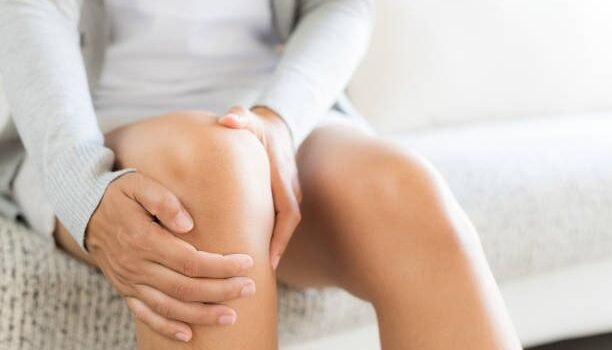
Hello everyone! How are you feeling today? Have you ever felt your knees clicking when you get up from a chair, or your back stiff after sitting in front of your laptop for a long time? We may still feel young and strong now, but did you know that the most important investment in your health for the future is not just about saving money, but about the condition of your bones and joints? In 2026, with high mobility and increasingly demanding lifestyles, we must truly understand how to maintain healthy joints and bones to stay active in old age. Don’t let it happen that when we retire, we can only sit still because our legs can’t take a walk.
Understanding That Bones and Joints Are Like the Foundation of a House
Imagine our body like a magnificent building. Bones are the framework, and joints are the hinges that allow doors and windows to move freely. If the foundation is porous or the hinges are rusty, the link slot gacor house will certainly be uncomfortable to live in, right? How to maintain healthy joints and bones to stay active in old age begins with realizing that our bone density reaches its peak in our 30s. After that, if we don’t diligently “take care of it,” bone density will slowly decline. So, while we still have time, we must seriously pay more attention to these two things.
Calcium and Vitamin D Nutrition as the Main Weapon
You’ve probably heard that calcium is good for your bones. But did you know that calcium can’t work alone? It needs the help of Vitamin D to be optimally absorbed by the body. One way to maintain healthy joints and bones and stay active in old age is to ensure you consume calcium-rich foods like milk, cheese, tempeh, and dark green vegetables. As for Vitamin D, the cheapest way is to bask in the abundant morning sun this year. Vitamin D is like a “key” that opens the door for calcium to enter our bones. If you only eat calcium without Vitamin D, it’s a lie because the calcium will simply pass through your digestive system.
Weightlifting Isn’t Just for Showing Off
Who says you have to stop exercising vigorously as you get older? Quite the opposite! One way to maintain healthy joints and bones and stay active in old age is through weight training or resistance training . When we lift weights or perform movements that put pressure on our bones (like brisk walking or squats), our bones respond by strengthening their cells, making them denser. Strong muscles around our joints also act as a “protector,” reducing the direct load on them. So, don’t be lazy about light weight training, so your joints don’t wear out quickly with age.
Maintaining Body Weight to Avoid Joint Stress
Here’s something we often overlook: weight. Imagine having to carry a 10 kg backpack everywhere you go, your knees would definitely complain, right? Any excess weight on our bodies puts extra pressure on our knees and hip joints. Maintaining an ideal weight is crucial for maintaining healthy joints and bones, ensuring they remain active in old age. By controlling your weight, we can significantly help minimize the risk of joint inflammation or osteoarthritis, which often affects older adults. Take care of your knees by avoiding excessive stress.
The Importance of Hydration and Natural Joint Lubrication
Our joints contain a lubricating fluid called synovial fluid. This fluid helps prevent bones from rubbing together when we move. To maintain this lubricating fluid, our bodies need adequate fluids. One way to maintain healthy joints and bones and stay active in old age is to drink plenty of water. Furthermore, consuming foods containing healthy fats like omega-3 fatty acids (found in fish and nuts) has also been shown to reduce joint inflammation. So, don’t forget to drink water and choose healthy snacks for your joints!
Avoid the habit of sitting too long with bad posture.
In 2026, many of us work remotely or at desks all day. Sitting in a slouched or immobile position for hours on end is a real threat to the spine and hip joints. One way to maintain healthy joints and bones and stay active in old age is to adopt an “active rest” pattern. Every 30 to 60 minutes, try standing up, doing some light stretching, and taking a short walk. Correct posture while sitting also helps maintain the natural curvature of our spine, preventing calcification or pinched nerves in the future.
Don’t wait until you’re sick to see a doctor.
Many people only become concerned when their joints are already painful or their bones are prone to fracturing. Nowadays, technology is available to check bone density early. Maintaining healthy joints and bones to stay active in old age is through regular checkups, especially if you have a family history of osteoporosis. Prevention is always much cheaper and less painful than undergoing treatment when it’s already severe. Consult with your doctor if you need additional supplements; don’t just take them without understanding your body’s true needs.
Conclusion and Hope for a Happy Old Age
Aging is inevitable, but staying active and independent in old age is a choice. Maintaining healthy joints and bones to stay active in old age is a long-term investment that will pay off in 20 or 30 years. Start with small habits today: eat healthily, exercise regularly, and maintain good posture. With strong bones and flexible joints, you’ll have a greater chance of enjoying your old age by pursuing hobbies, playing with your grandchildren, or traveling the world without having to deal with pain. Let’s start loving your bones and joints now!